

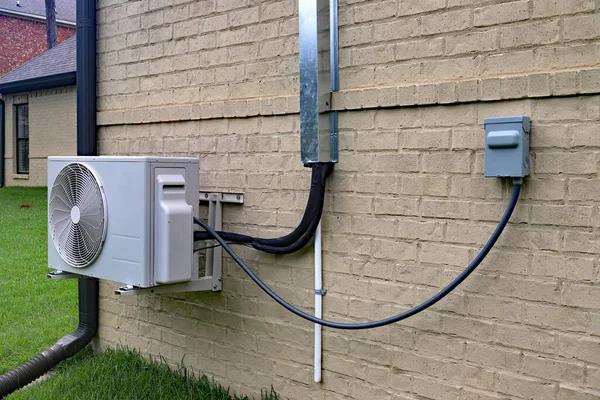
For first-time homeowners looking to install air conditioning, mini split AC systems offer a versatile and energy-efficient solution. Unlike traditional central air conditioners, mini splits do not require ductwork, making them ideal for homes without existing ducts or those seeking targeted cooling. Understanding the basics of these systems can help new homeowners make informed decisions that balance comfort, efficiency, and budget.
Mini split AC units consist of two main parts: an outdoor compressor/condenser and one or more indoor air-handling units. These are connected by refrigerant lines and electrical wiring. The indoor units are mounted on walls or ceilings and deliver cool air directly into rooms. This setup allows for zoning capabilities, meaning different areas of the home can be cooled independently at varying temperatures. This feature is especially beneficial for saving energy by avoiding unnecessary cooling in unused spaces.
When selecting a mini split system, it’s important to consider the size of the space you want to cool. Cooling capacity is measured in British Thermal Units (BTUs), which should correspond to the room size and insulation quality. An undersized unit will struggle to maintain comfortable temperatures while an oversized unit may cycle frequently, reducing efficiency and increasing wear on components. Consulting with a professional HVAC technician or using online calculators based on room dimensions can help determine appropriate BTU ratings.
Energy efficiency is another crucial factor when choosing a Mini Split AC system. Look for models with high Seasonal Energy Efficiency Ratio (SEER) ratings as they consume less electricity while providing effective cooling performance. Higher SEER-rated units often have advanced features such as variable-speed compressors that adjust output based on demand rather than running at full power constantly.
Installation quality greatly influences how well a mini split performs over time. Proper placement of both indoor and outdoor units ensures optimal airflow and noise reduction while preventing issues like water leaks from condensate drainage lines. Hiring certified installers familiar with local building codes guarantees compliance with safety standards and warranty requirements.
Maintenance needs for mini splits are relatively low compared to traditional systems but still necessary for longevity. Regular cleaning of filters prevents dust buildup that can impair airflow; most filters are washable or replaceable depending on model specifications.
In summary, first-time homeowners should focus on sizing accuracy, energy efficiency ratings, professional installation services, and routine maintenance when purchasing a mini split AC system. These considerations ensure comfortable living environments while maximizing long-term savings through reduced utility bills and equipment lifespan extension.