

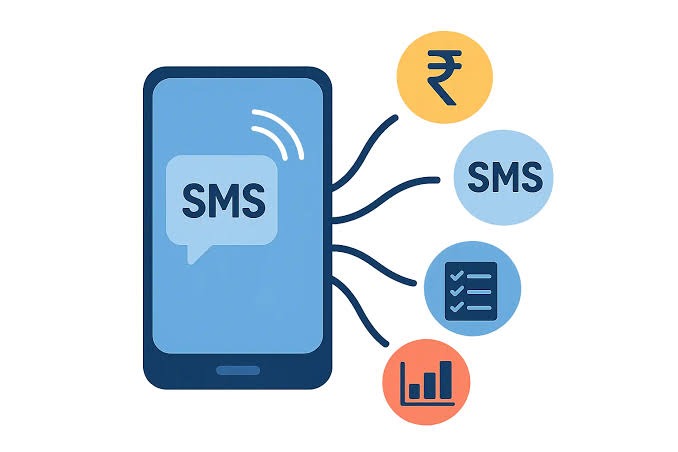
In today’s digital age, the need for secure and reliable online authentication methods has never been more critical. As cyber threats continue to evolve, businesses and individuals alike seek robust solutions to protect sensitive information. One such method that has proven its efficacy is SMS verification. This simple yet powerful tool serves as a cornerstone for enhancing online security, offering numerous benefits that make it indispensable in the modern internet landscape.
At its core, SMS verification involves sending a one-time code to a user’s mobile phone number during account registration or login attempts. The user must then enter this code within a SMS Verifications specified timeframe to verify their identity. This process adds an extra layer of security by ensuring that only those with access to the registered phone number can gain entry into the account.
One of the primary advantages of SMS verification is its ability to combat unauthorized access effectively. By requiring users to confirm their identity through their mobile device, companies can significantly reduce instances of hacking and fraud. Even if cybercriminals manage to obtain login credentials through phishing schemes or data breaches, they would still need physical access to the victim’s phone—a hurdle often too high for them to overcome.
Moreover, SMS verification enhances user trust and confidence in online platforms. When customers know that additional security measures are in place, they are more likely to engage with services without fear of data theft or privacy violations. This increased sense of safety encourages higher participation rates and fosters long-term loyalty between consumers and service providers.
Another compelling reason for adopting SMS verification is its accessibility and ease of use. Unlike other forms of two-factor authentication (2FA), such as biometric scans or hardware tokens, SMS-based systems do not require specialized equipment or technical expertise from users. Nearly everyone owns a mobile phone capable of receiving text messages, making this method universally applicable across diverse demographics.
Furthermore, implementing SMS verification can help organizations comply with regulatory standards regarding data protection and privacy laws. Many jurisdictions mandate stringent safeguards around personal information handling; incorporating reliable 2FA mechanisms like SMS verifications demonstrates due diligence in protecting customer data—potentially avoiding hefty fines associated with non-compliance.
Despite concerns about potential vulnerabilities—such as SIM swapping attacks—SMS remains widely regarded as an effective compromise between convenience and security when supplemented by other protective measures like encryption protocols or multi-layered defenses within applications themselves.