
Investing in home improvement HVAC service strategies is essential for achieving long-term savings and maintaining a comfortable living environment. Proper care and maintenance of heating, ventilation, and air conditioning systems not only extend their lifespan but also improve energy efficiency, which directly reduces utility bills. One of the most effective approaches is scheduling regular professional inspections and tune-ups. HVAC systems that are regularly serviced tend to operate more efficiently because technicians can identify and address issues such as clogged filters, worn-out belts, or refrigerant leaks before they escalate into costly repairs or cause system failure.
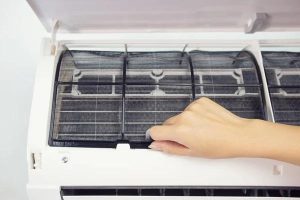
Another critical strategy is to prioritize routine filter replacement. Dirty or clogged filters restrict airflow, forcing the system to learn more about our work harder and consume more energy. Changing filters every one to three months, depending on the usage and type, helps maintain optimal air quality and system performance. Additionally, sealing and insulating ductwork reduces energy loss by preventing conditioned air from escaping. Properly sealed ducts ensure that more heated or cooled air reaches living spaces rather than leaking into unconditioned areas like attics or crawl spaces.
Upgrading to a programmable thermostat is a smart investment for homeowners seeking long-term savings. These devices allow users to set temperature schedules aligned with their daily routines, reducing energy consumption when the home is unoccupied or during sleeping hours. Modern smart thermostats can also learn habits over time and adjust settings automatically, further optimizing energy use without sacrificing comfort.
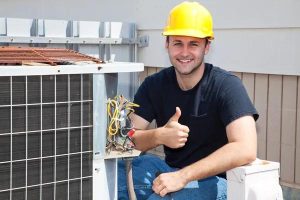
Cleaning and maintaining outdoor HVAC units is equally important. Debris, dirt, and foliage can obstruct airflow and reduce the system’s efficiency. Regularly clearing the area around outdoor units and gently cleaning the coils ensures proper heat exchange and prevents overheating. It is also advisable to check the refrigerant charge during professional maintenance visits. Low refrigerant levels can impair cooling performance and increase energy consumption.
Homeowners should also consider investing in energy-efficient HVAC equipment when it’s time for replacement. Newer models often come with higher Seasonal Energy Efficiency Ratio (SEER) ratings and advanced features that reduce operational costs. Although the upfront investment might be higher, the long-term savings on energy bills and potential rebates or incentives make this a cost-effective choice.
In summary, adopting a comprehensive HVAC service strategy that includes regular professional maintenance, filter replacement, duct sealing, thermostat upgrades, outdoor unit care, and timely equipment replacement is key to maximizing energy efficiency and achieving long-term savings. These proactive measures not only enhance system longevity but also contribute to a healthier indoor environment and significant reductions in energy expenses over time.