
Commercial refrigeration units play a vital role in preserving perishable goods, maintaining food safety, and ensuring business operations run smoothly. However, these systems require careful attention to safety and regulatory compliance to prevent accidents, maintain efficiency, and avoid costly penalties. Understanding essential safety practices and adhering to compliance standards is crucial for businesses that rely on commercial refrigeration.
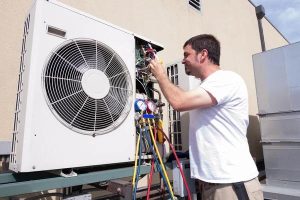
One of the primary considerations is regular maintenance. Scheduled inspections help identify potential issues such as refrigerant leaks, electrical faults, or worn components before they escalate into serious problems. Proper upkeep not only extends the lifespan of refrigeration equipment but also ensures it operates within safe parameters. Maintenance should include cleaning condenser coils, checking door seals for airtight closure, and verifying that temperature controls function correctly.
Temperature monitoring is another critical aspect of refrigeration safety. Keeping products at appropriate temperatures prevents spoilage and reduces health risks associated with contaminated food items. Businesses must use calibrated thermometers or digital monitoring systems to continuously track internal temperatures. Consistent documentation of temperature readings supports compliance with health regulations enforced by agencies like the Food and Drug Administration (FDA) or local health departments.
Handling refrigerants safely poses significant challenges due to their chemical properties and environmental impact. Refrigerants can be hazardous if released improperly; some types contribute to ozone depletion or global warming when leaked into the atmosphere. Therefore, technicians must follow strict protocols during installation, servicing, or disposal of refrigeration units containing substances such as hydrofluorocarbons (HFCs). Compliance with environmental laws like the Clean Air Act requires proper certification for personnel managing refrigerants.
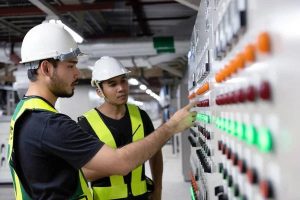
Electrical safety cannot be overlooked in Commercial Refrigeration settings since these systems involve high-power components operating continuously. Ensuring all wiring meets electrical codes reduces fire hazards caused by short circuits or overloaded circuits. Equipment should be installed by licensed electricians who verify grounding connections are secure and circuit breakers are appropriately rated.
Emergency preparedness also plays a role in overall safety management. Staff members should be trained on how to respond if a refrigeration unit malfunctions or leaks occur involving toxic gases like ammonia used in some industrial setups. Clear evacuation plans combined with accessible emergency shutoff switches minimize risks during incidents.
Finally, staying informed about evolving industry standards helps businesses maintain ongoing compliance while adopting best practices for energy efficiency and sustainability goals related to commercial refrigeration technology advancements.
By implementing thorough maintenance routines, vigilant temperature control measures, safe handling procedures for refrigerants, adherence to electrical codes, emergency readiness training, and continuous education on regulatory updates companies can protect employees’ well-being while safeguarding product quality effectively within legal frameworks governing commercial refrigeration operations today.